The rise of Afro House in European clubs
From Lisbon basements to Berlin's early hours, rhythms shaped in Johannesburg and Durban now set the pace on European dancefloors.
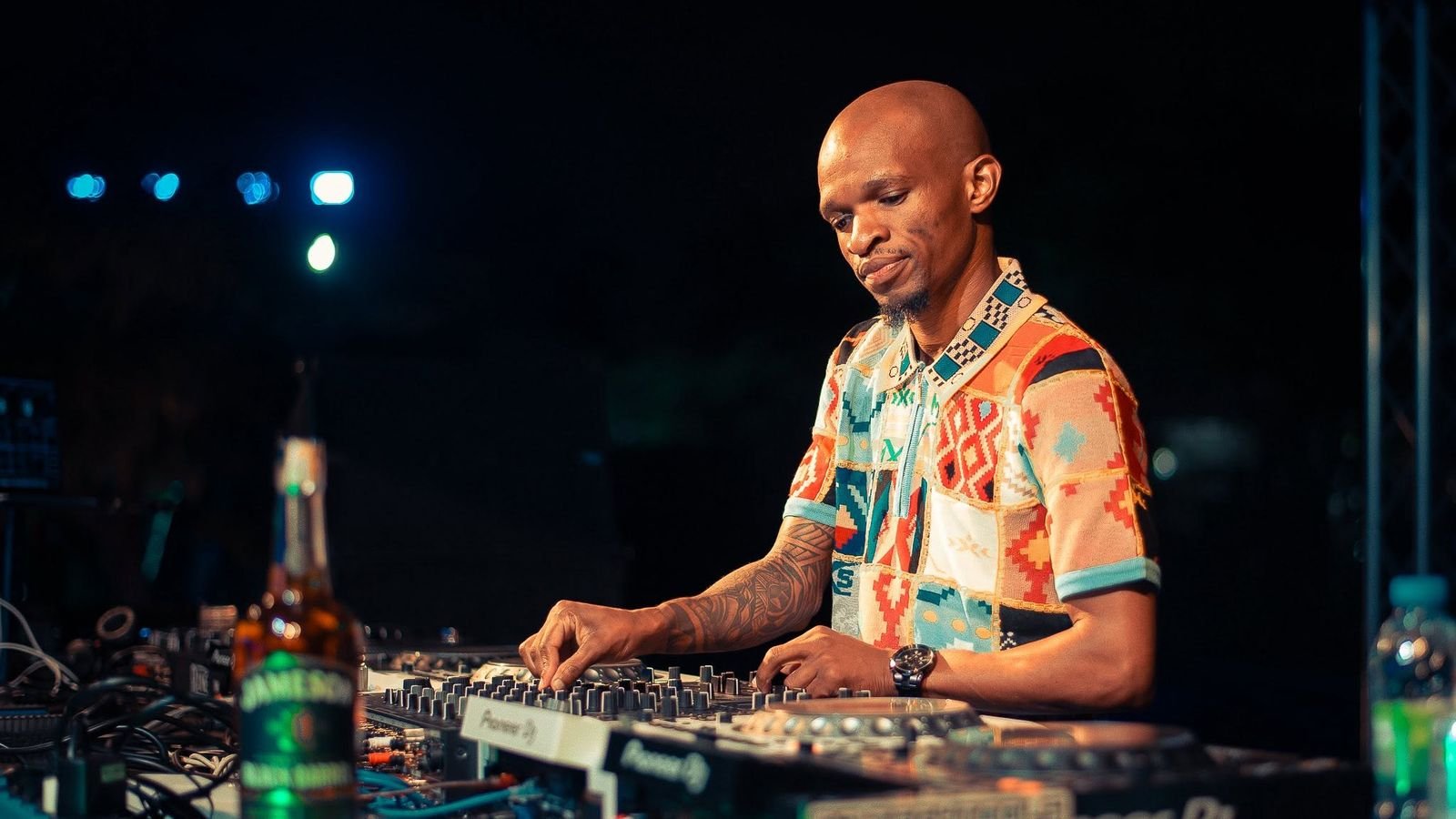
Ten years ago, an Afro House record in a European club set was a statement. It was the track a curious selector slipped in after midnight, the one that made people look up from their phones. Today it is often the backbone of the night. Across Lisbon, Paris, Amsterdam and Berlin, rhythms first refined in Johannesburg and Durban now shape how rooms are built, how sets are paced and how promoters think about a line-up.
The shift did not happen overnight, and it did not happen by accident. It was carried by producers who kept releasing through lean years, by diaspora communities who brought the music with them, and by a generation of European DJs who learned to hear space in a groove instead of filling every bar.
A different kind of patience
What sets the sound apart is restraint. Afro House trusts percussion to do the work that a build or a drop does elsewhere. Log drums, shakers and layered hand percussion move in and out of focus over long stretches, so a single record can hold a floor for eight or nine minutes without asking for attention.
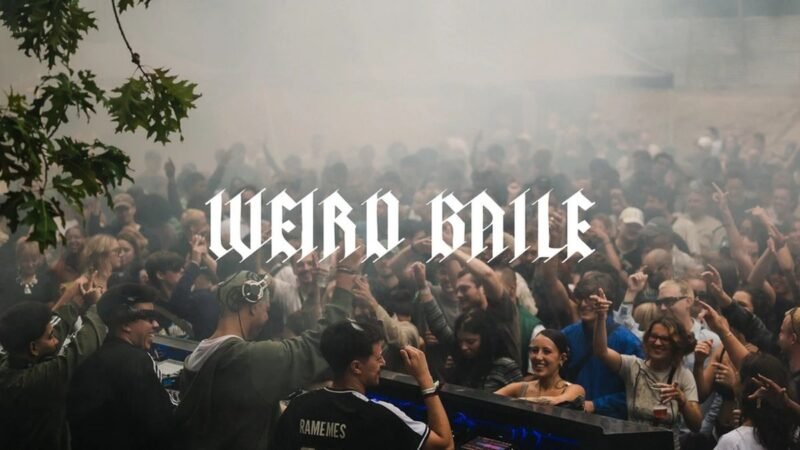
For club programmers that patience has been a gift. Rooms that once peaked hard and emptied early now hold their crowd deeper into the night. Several promoters we spoke to described the same pattern: a later arrival, a longer stay, and a dancefloor that feels less like an audience and more like a gathering.
It is music that rewards the people who stay. You do not chase the room, you hold it.
A resident DJ in Lisbon
That idea of holding a room has travelled well. In Lisbon, where Afro-Portuguese club culture already had deep roots, the sound found an audience that knew how to listen. In Paris and Amsterdam it slotted into scenes that were already leaning towards warmer, more melodic house. Berlin took longer, but its after-hours rooms have proved to be natural homes for a music built on slow transitions.
The route from South Africa
None of this would have reached Europe without the South African producers who built the foundations. Many spent years releasing on small labels, sharing music through community networks and playing long sets at home before European bookers came calling. When they did, those producers arrived with a finished language rather than a trend.
Streaming changed the speed of discovery, but touring changed the depth of it. A record can travel in an afternoon. A culture travels through people: through the DJs who play it the way it was meant to be played, and the dancers who show a new room how to move to it.
What comes next
The challenge now is balance. As Afro House becomes a fixture on European festival bills, the risk is that the sound is flattened into a style that anyone can borrow. The healthiest scenes are the ones that book South African artists as headliners rather than features, and that give space to the producers still releasing from home.
That is where the next chapter will be written. Not in a single breakout record, but in the steady, patient work of the people who built the music and the rooms that learn to make space for it.